

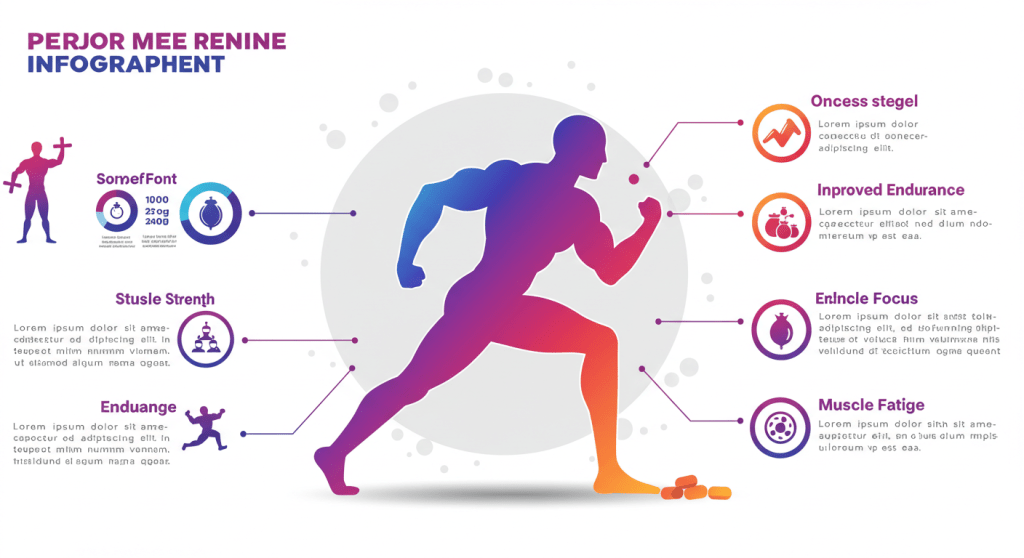
For my first post of 2025, I’m focusing on “dietary supplements.” This post illustrates what an exhibit in the Behrens Science Museum might look like. The parody images on this page were generated using ImageFX by Google. Because the images were generated by a machine which “learned” about supplement ads by looking at thousands of them, they are, in a sense, typical of supplement marketing materials: BS in, BS out. Unfortunately, the global dietary supplements market size was valued at $177.50 billion (US) in 2023.
In the United States, the dietary supplement industry operates under the Dietary Supplement Health and Education Act of 1994 (DSHEA), which drastically reduced regulatory oversight for supplements. Under DSHEA, these products are not subject to the rigorous testing and approval processes required for pharmaceuticals. Manufacturers can market their products without providing evidence of safety or efficacy, as long as they avoid claiming to treat, diagnose, prevent, or cure specific diseases. Instead, they rely on vague, broad statements known as structure/function claims.
You’ve likely seen these claims on supplement packaging, accompanied by a disclaimer: “These statements have not been evaluated by the Food and Drug Administration (FDA). This product is not intended to diagnose, treat, cure, or prevent any disease.” While this disclaimer is legally required, it is often overlooked or misunderstood by consumers. The wording of these claims is carefully crafted to imply significant benefits while avoiding explicit promises that could invite regulatory scrutiny. For example, a supplement might claim to “support immune health” rather than “prevent colds.”
The list below examines 15 common claims found in supplement marketing. Each entry highlights the claim, the products associated with it, the implied consumer message, and what the claim actually means when critically assessed. By understanding the tactics used to market these products, consumers can make more informed decisions and avoid falling for misleading health promises.

Claim: “Boosts your immune system”
Products: elderberry, echinacea, vitamin C, essential oils
Consumer Message: “This supplement will make me less likely to get sick.”
What It Actually Means: There’s no evidence that supplements can meaningfully enhance immune function in healthy individuals. The term “boosting the immune system” is marketing nonsense—if your immune system is functioning normally, it doesn’t need boosting.
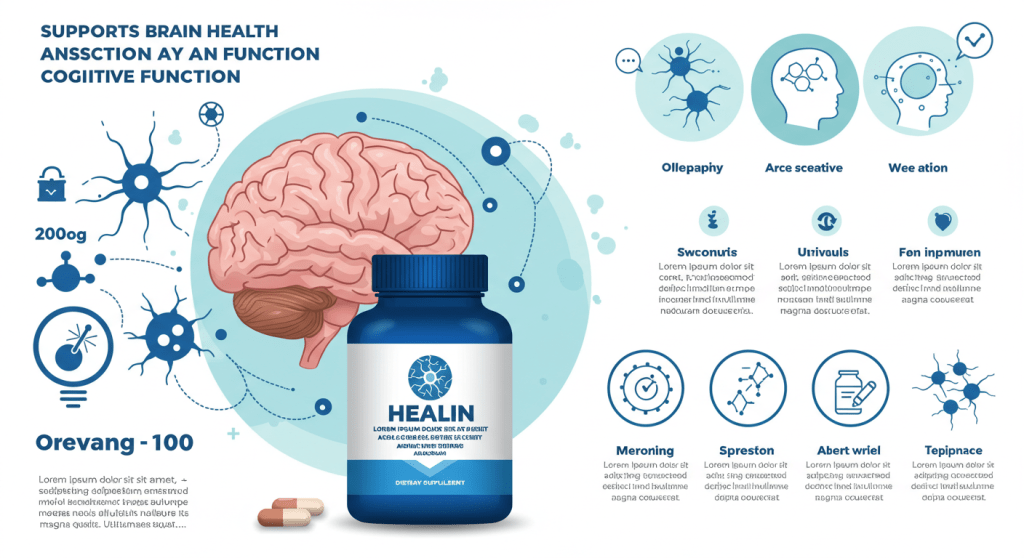
Claim: “Supports brain health and cognitive function”
Products: ginkgo biloba, omega-3s, nootropics
Consumer Message: “This supplement will make me smarter or prevent memory loss.”
What It Actually Means: There’s no credible evidence that supplements can improve cognition or prevent decline in healthy individuals. Most studies are poorly designed or rely on vague self-reported outcomes.

Claim: “Promotes weight loss naturally”
Products: green tea extract, Garcinia cambogia, CLA
Consumer Message: “I’ll lose weight effortlessly and safely by taking this.”
What It Actually Means: No supplement alone causes significant weight loss. Many products either rely on stimulants, which can have dangerous side effects, or contain unproven ingredients. “Naturally” is a meaningless buzzword here.
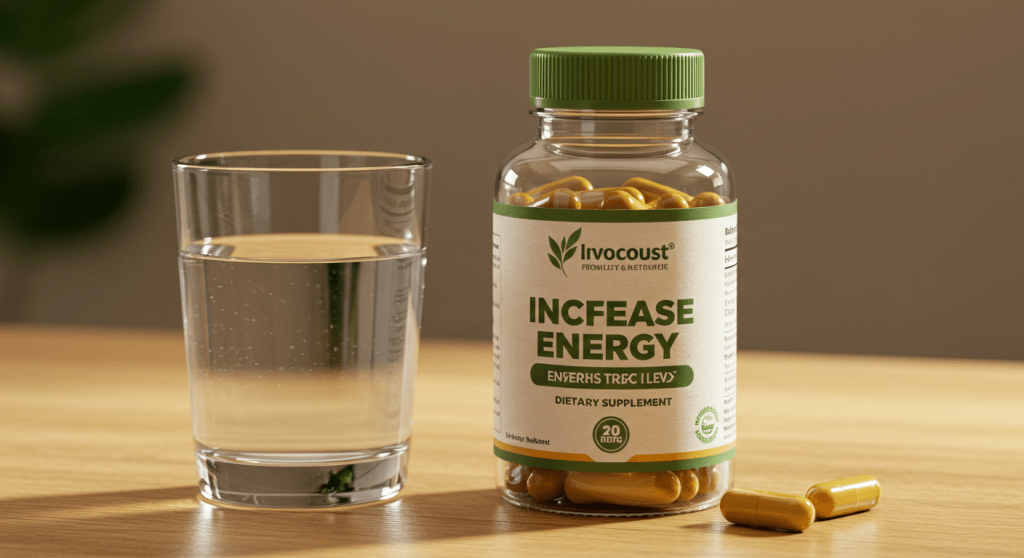
Claim: “Increases energy levels”
Products: caffeine pills, B vitamins, energy drinks, essential oils
Consumer Message: “I’ll feel less tired and have more stamina.”
What It Actually Means: Most energy-boosting supplements are glorified caffeine pills or contain other stimulants. Any effect is short-lived and doesn’t address underlying causes of fatigue like poor sleep, nutrition, or health conditions.
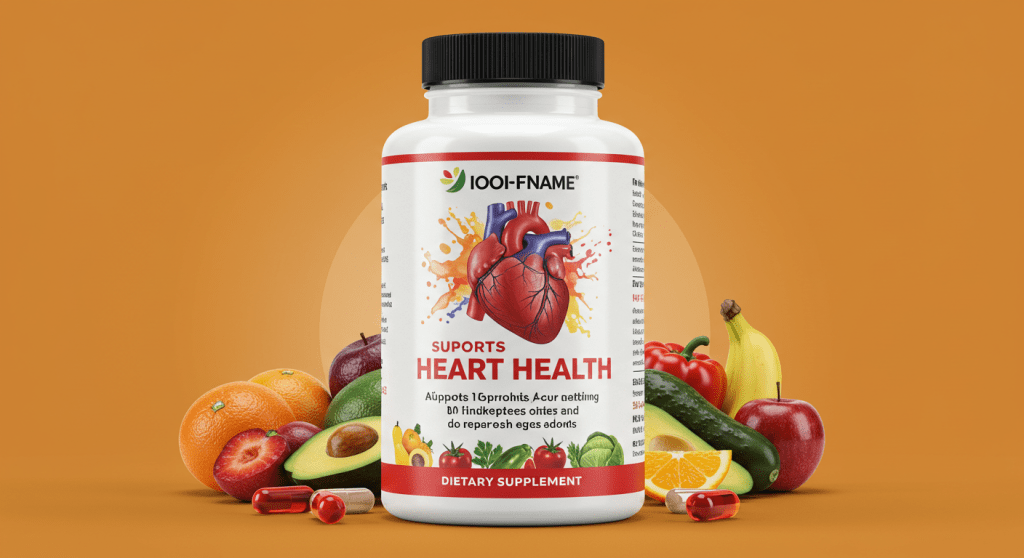
Claim: “Supports heart health”
Products: CoQ10, omega-3s, plant sterols
Consumer Message: “This will protect me from heart disease or lower my cholesterol.”
What It Actually Means: There is no strong evidence that supplements meaningfully reduce the risk of heart disease in most people. Eating a balanced diet and exercising remain the only proven methods for long-term heart health.
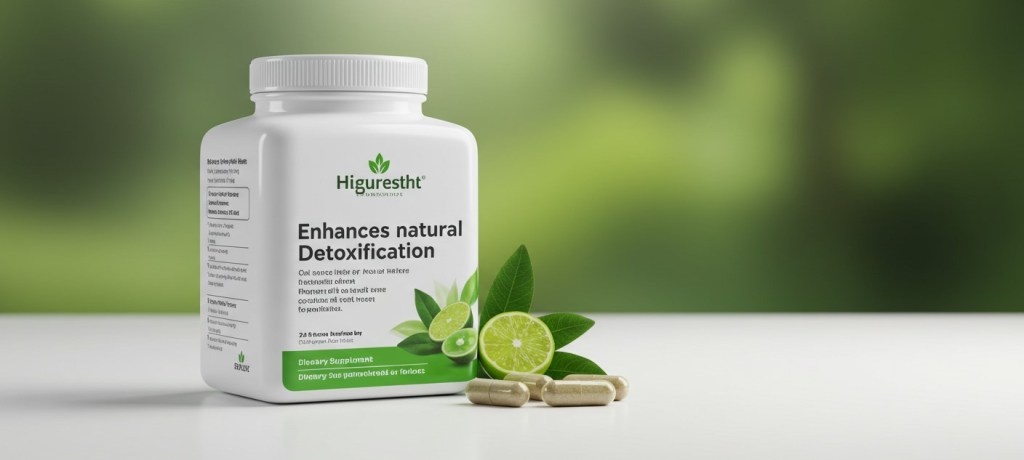
Claim: “Enhances natural detoxification”
Products: liver cleanses, charcoal tablets, juice cleanses
Consumer Message: “This will rid my body of harmful toxins.”
What It Actually Means: “Detoxification” is a marketing term with no scientific basis. If you’re healthy, your liver and kidneys already handle toxins efficiently, and supplements don’t improve these processes. If a supplement claims to help detox, it’s a red flag for pseudoscience.

Claim: “Improves joint health and mobility”
Products: glucosamine, chondroitin, MSM
Consumer Message: “I’ll feel less pain and move more freely.”
What It Actually Means: Evidence for ingredients like glucosamine and chondroitin is weak and inconsistent. Most improvements reported are likely placebo effects. If joint pain is a concern, medical treatment is far more effective.

Claim: “Balances hormones naturally”
Products: maca root, DIM, evening primrose oil
Consumer Message: “This will fix my hormonal issues, like mood swings or low libido.”
What It Actually Means: No supplement has been proven to “balance” hormones in a meaningful way. Hormones are regulated by complex systems in the body, and claims of balancing them are unscientific nonsense. If you have a hormonal imbalance, it requires medical diagnosis and treatment, not a supplement.

Claim: “Promotes healthy aging”
Products: resveratrol, NAD+
Consumer Message: “This will make me look and feel younger.”
What It Actually Means: There is no evidence that supplements can meaningfully slow the aging process. Aging is a biological process that can’t be reversed or significantly altered by any product on the market.
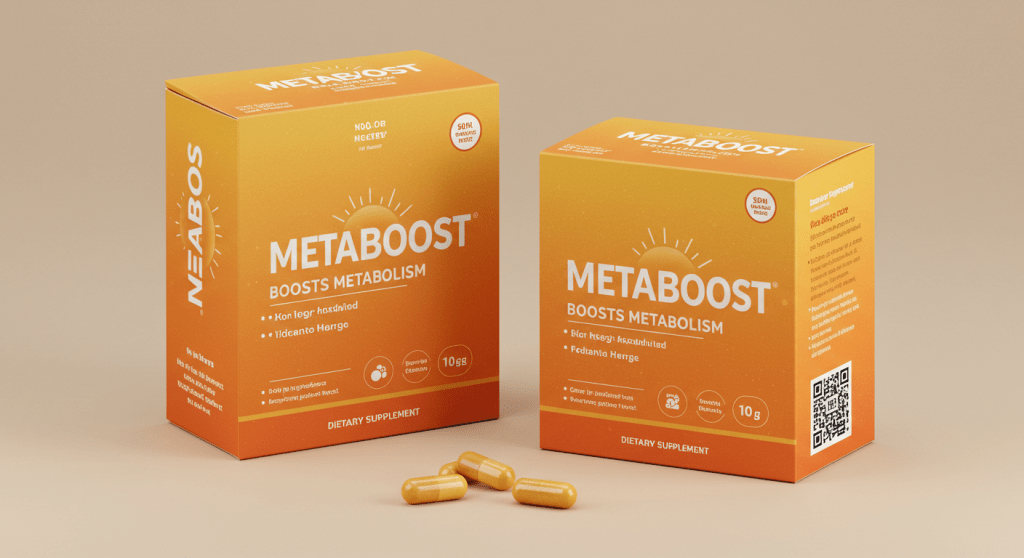
Claim: “Boosts metabolism”
Products: green coffee extract, capsaicin, L-carnitine
Consumer Message: “I’ll burn more calories even at rest.”
What It Actually Means: Supplements that claim to boost metabolism usually have negligible effects at best. Any increase in calorie burn is so minor that it won’t lead to noticeable weight loss. Many of these products also rely on stimulants that can be harmful.

Claim: “Promotes skin elasticity and fights wrinkles”
Products: collagen supplements
Consumer Message: “This will keep my skin smooth, youthful, and glowing while fighting wrinkles.”
What It Actually Means: Collagen is broken down during digestion and doesn’t directly rebuild your skin. Any improvements in skin elasticity or hydration are minimal and not guaranteed. Marketing plays up the association with beauty, but results are often subtle or non-existent.
Claim: “Reduces stress and balances mood”
Products: ashwagandha, adaptogens
Consumer Message: “This will calm me down, reduce my stress, and help me cope with life’s challenges.”
What It Actually Means: Evidence for adaptogens like ashwagandha is weak, with most studies showing small, inconsistent effects. Claims about balancing mood or reducing stress are exaggerated and largely rely on anecdotal reports rather than rigorous science.
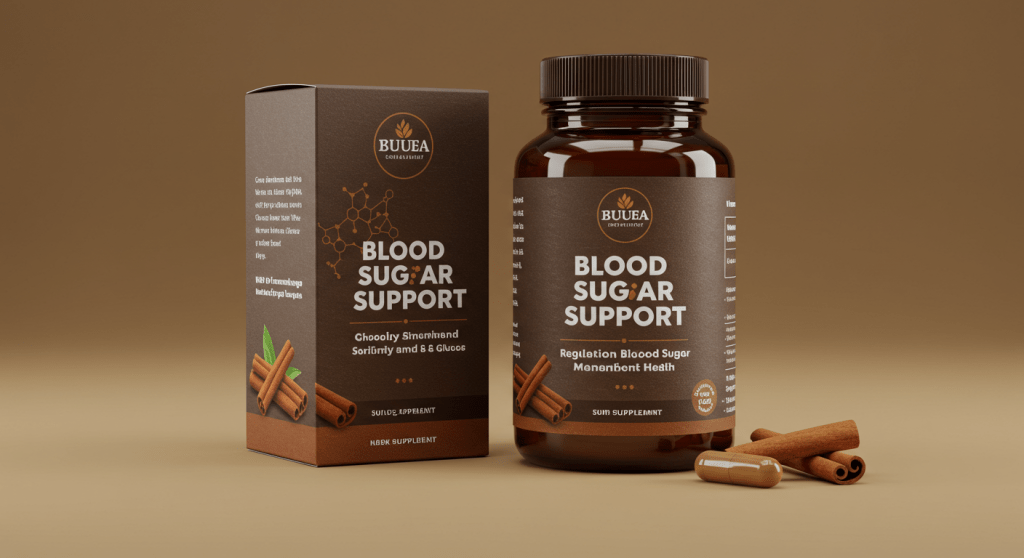
Claim: “Supports healthy blood sugar levels”
Products: cinnamon, chromium, blood sugar control supplements
Consumer Message: “This will lower my blood sugar naturally and prevent diabetes-related problems.”
What It Actually Means: These supplements typically contain ingredients with little to no proven effect on blood sugar in healthy or diabetic individuals.
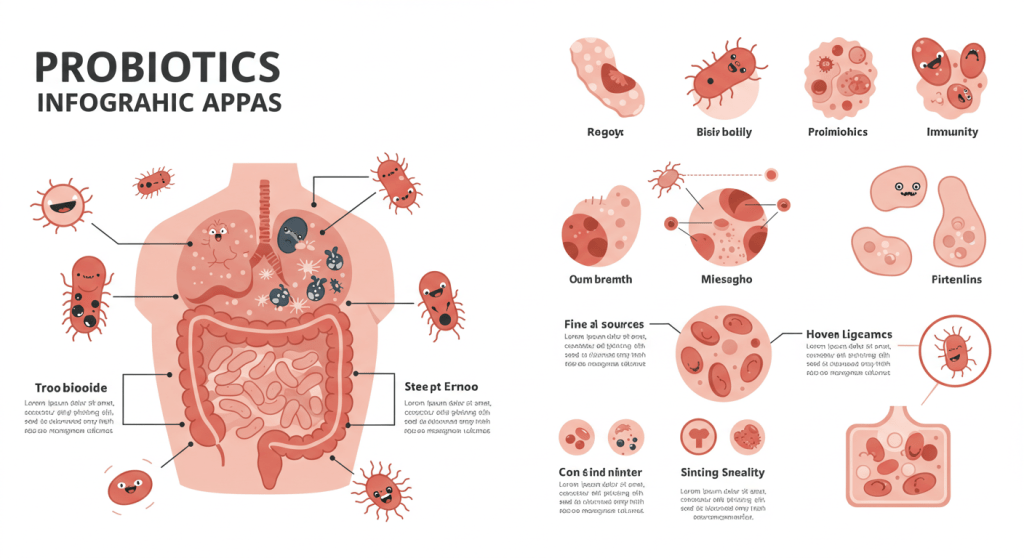
Claim: “Promotes gut health”
Products: probiotics
Consumer Message: “This will improve my digestion, clear up my skin, and make me healthier overall.”
What It Actually Means: Probiotics have shown limited benefits for specific gut issues like antibiotic-associated diarrhea, but claims about improving skin, general health, or immunity are not supported by credible scientific evidence.
Claim: “Enhances sexual performance and stamina”
Products: herbal sexual health supplements
Consumer Message: “This will make me perform better in bed, increase my stamina, and boost my confidence.”
What It Actually Means: These supplements often contain unproven herbs or undisclosed pharmaceutical compounds. Any noticeable effects might be due to placebo or unsafe, unregulated ingredients that could have serious health risks. They don’t address underlying causes of sexual health issues, which often require medical evaluation.
The supplement industry thrives on vague claims that appeal to deeply personal desires—whether for better health, improved appearance, or enhanced performance. These claims prey on insecurities, offering easy fixes to complex problems without the backing of rigorous scientific evidence. While they may sound appealing, supplements often contain ingredients with unknown effects, which can harm organs or dangerously interact with other medications. Even more concerning, relying on supplements can delay or replace evidence-based medical treatment, potentially worsening serious health issues.
Always consult a qualified medical doctor—one with training grounded in science, not chiropractors or so-called “naturopaths”—before taking any supplement. Medical professionals can assess your individual needs, identify potential risks, and guide you toward treatments with proven benefits. The best protection against misleading marketing and unregulated products is a commitment to evidence-based advice and an understanding of the scientific principles that safeguard your health.
 Behrens Science Museum